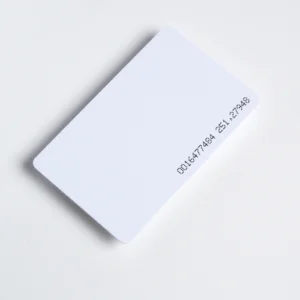
RFID clamshell cards in packs of 25, for clocking in and for door entry. A clamshell card is card shaped but built from a thicker moulded shell, so it stands up to being carried on a site, dropped on concrete and sat on, where a thin card would crack or delaminate. Each card is assigned to a person in your time and attendance software, so a lost one is deactivated and replaced without touching the rest.
Specifications
| Pack size | 25 cards. |
|---|---|
| Format | Credit card footprint but thicker, with a moulded shell and a slot punch for a lanyard or clip. |
| Durability | Built to survive workshop and site use, where thin cards tend to bend, crack or come apart. |
| Works with | Computime RFID readers, the S600 clocking terminal, and the biometric terminals that also accept cards. |
| Lost card handling | Deactivate a card in software and issue a replacement, with no need to change anything at the door or the terminal. |
Clamshell, standard cards or fobs?
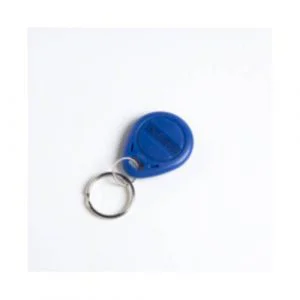
Clamshell cards are the choice where credentials take a beating: manufacturing, workshops and construction sites. Standard RFID cards are thinner and cheaper, and suit an office where a card doubles as an ID badge. Fobs go on a keyring for anyone who does not carry a badge at all.
A note on cards and biometrics
Cards keep you clear of the biometric question entirely, since nothing about a person’s body is recorded. The trade-off is that a card can be handed to a colleague, where a fingerprint or face cannot. Our comparison of biometric and RFID clocking sets out where each one fits.
Supplied and supported from Leeds, with over 35 years of UK time and attendance experience behind it. Talk to us if you need a different quantity.