Time and attendance glossary

Time and attendance has a language of its own, and the terms are not always obvious from the outside. This glossary explains the twenty you are most likely to meet when choosing or running a system, in plain English, with a line on why each one matters. It is arranged so you can read it straight through or jump to the term you need.

Cloud vs installed workforce software

The choice between cloud and installed workforce software is really a choice about who does the work of running it, and how you want your team to reach it. Cloud puts the system on the supplier’s servers and lets you use it from any browser or phone. Installed sets the system up for your organisation, which can bring a wider feature set and tighter control. Neither is better in the abstract.

Biometric vs RFID clocking: what’s right for UK businesses

The choice between biometric and RFID clocking comes down to a single trade-off: biometric ties attendance to something an employee cannot lose or share, but it processes sensitive data under strict rules. RFID ties attendance to a card or fob, which is cheaper and simpler, but easier to pass around.

UK GDPR and time and attendance data: an employer’s guide

Under the UK GDPR and the Data Protection Act 2018, any information that can identify an individual is personal data. Time and attendance records fall into two distinct categories, and the distinction matters significantly for your compliance obligations.

Which Time and Attendance System Is Right for Your Business?

Choosing a workforce management system is really two decisions: what you need it to do, and how you want your team to use it day to day. At Computime we offer two systems built on the same three decades of UK experience, Syncro and Realtime. They share the same foundation, but they suit different businesses. This guide explains the difference and helps you decide which fits the way you work.

Why Small Businesses Need a Clocking in Machine

One of the most important things about running a small business? Keeping costs low. Unlike huge corporations, SMEs typically don’t have a huge stash of backup money for cash flow issues, meaning boosting the bottom line is a must.

The Benefits of Clocking Systems for Hospitality Businesses

There’s no industry in which ‘time is money’ is truer than hospitality. Whether or not you manage staff hours efficiently can make a huge difference to your bottom line, and with rental and food costs rising consistently, saving money on staffing is a must.

Why Businesses Are Replacing Paper Sign-In Books with Visitor Management Software

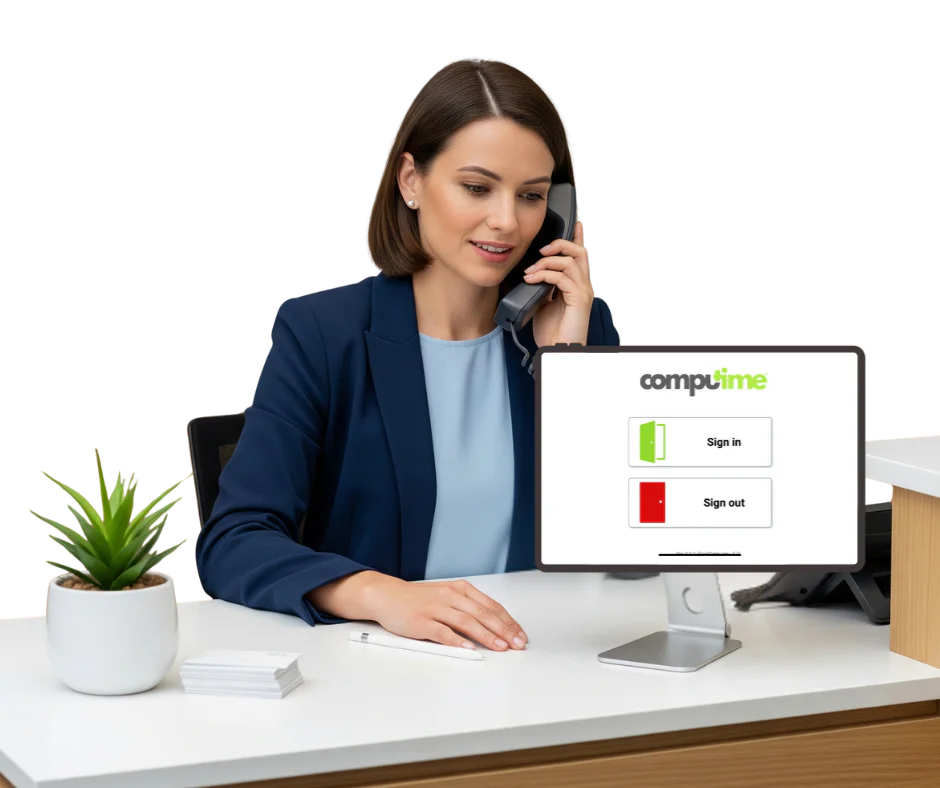
Replace paper sign in books with Computime's digital visitor management system giving receptionists a fast, professional check in experience from any desktop or tablet.

For many organisations, the traditional paper visitor sign-in book has been a standard part of reception areas for decades. While it may seem simple and familiar, paper-based visitor logging creates serious challenges around workplace security, compliance, efficiency, and visibility.

What Is a School Visitor Management System? A Complete Guide for UK Schools

Every visitor to a UK school must report to reception. A digital visitor management system makes this process faster, safer, and fully compliant with safeguarding requirements.

Safeguarding is one of the most critical responsibilities for schools across the UK. From managing visitors to controlling site access and tracking staff attendance, education providers must ensure that everyone on-site is accounted for at all times.

What Are Access Control Systems? A Complete Guide for UK Businesses

Implementing modern access control systems enhances workplace security and streamlines employee entry.

Security is a growing priority for businesses across the UK, and traditional locks are no longer enough. Whether you run an office, warehouse, school, or industrial site, controlling who can access your premises is essential.

Left Menu Icon